
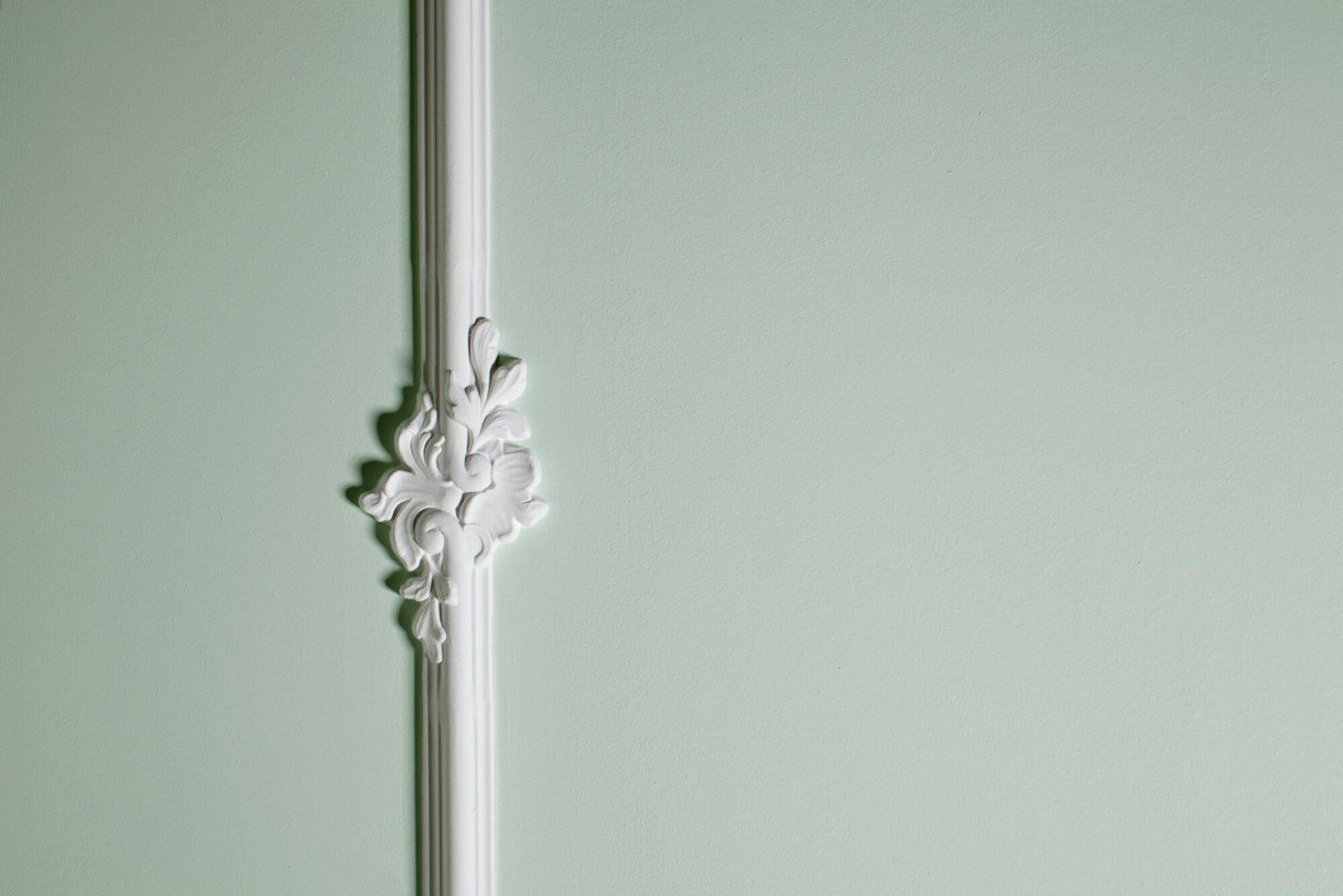
Frequently asked questions about decorative mouldings
Decorative mouldings are architectural details that have been used to enhance interiors since antiquity, adding character, depth and a refined finish to a space. Installed on walls and ceilings or around doors and windows, they highlight architectural lines and bring different elements of an interior together.
Beyond their decorative role, mouldings also influence how we perceive a space. They can visually emphasise ceiling height, break up large wall surfaces and help create a more balanced, inviting interior. Designs range from clean, minimalist profiles suited to contemporary spaces to elaborate period-inspired mouldings for more classical interiors.
Decorative mouldings have become increasingly popular in contemporary interior design in recent years, bringing with them plenty of questions about where and how they can be used. Here, we answer some of the questions our clients frequently ask.
1. What types of decorative mouldings do you install?
We install a wide range of decorative mouldings for different applications. Some of the most popular options include wall and ceiling mouldings, skirting boards, ceiling roses and other decorative architectural elements designed to highlight the features of a space.
Decorative mouldings are available in a wide range of styles, from minimalist profiles for contemporary interiors to more elaborate designs for classical settings. We also install lighting profiles with integrated LED strips, providing elegant, discreet ambient lighting.
If you are unsure which type of moulding would work best in your interior, we can advise you based on the characteristics of the space and the look you would like to achieve.
2. How do I choose the right decorative mouldings for my home? What style, size and quantity do I need?
The right decorative mouldings depend on the size and proportions of the room, ceiling height, the architecture of the property and your preferred interior style. Rooms with high ceilings can generally accommodate larger, more prominent profiles, while contemporary interiors often suit simpler, more minimalist designs.
The size, shape and amount of moulding can significantly influence the finished result, which means there is no single formula that works for every interior. At Penzel Premium decor, we offer in-person consultations so that we can assess the space itself and recommend mouldings that complement its proportions, architecture and intended design.
3. Which material is better for skirting boards: wood or modern synthetic materials?
Wooden mouldings and skirting boards are particularly valued for the appearance and character of natural timber. Modern synthetic materials, however, tend to offer greater resistance to moisture and impact, require less maintenance and provide greater flexibility in terms of design and installation. For these reasons, modern synthetic mouldings are now commonly used in both residential and commercial interiors.
4. Are decorative mouldings suitable for long and narrow spaces?
Yes. Decorative mouldings can work very well in narrow and elongated spaces. With the right profile and layout, they can help balance the proportions of the room and create a more harmonious interior.
The key is to choose mouldings that suit the dimensions of the space. Profiles that are too large or poorly positioned can emphasise a feeling of confinement, while a carefully planned arrangement can visually break up long surfaces and add character. That is why at Penzel Premium decor, we tailor the choice and placement of mouldings to the proportions and individual characteristics of each room.
5. Do mouldings on a low ceiling make the room look even lower?
Not necessarily. The visual effect of ceiling mouldings depends largely on their size, shape and positioning.
In rooms with lower ceilings, smaller and simpler profiles are generally the better choice. They can complement the architecture without making the room feel visually heavy. When chosen and positioned correctly, mouldings can even help create a greater sense of height and space.
At Penzel Premium decor, we select mouldings according to ceiling height and room proportions to achieve a balanced result.
6. Can decorative mouldings be used in bathrooms, kitchens, basements and other humid areas?
Yes, but the material the mouldings are made from is important. While wooden mouldings can be more sensitive to moisture and fluctuations in temperature, high-quality modern synthetic mouldings are suitable for areas with higher humidity.
Modern materials retain their shape, do not absorb moisture and require relatively little maintenance, making them a practical option for bathrooms, kitchens and other demanding areas of the home.
At Penzel Premium decor, we use high-quality modern mouldings designed to provide a durable, refined finish even in more challenging conditions.
7. What surfaces are suitable for installing decorative mouldings?
Decorative mouldings can be installed on most conventional wall and ceiling surfaces. Suitable substrates include plastered and painted walls, plasterboard and other dry, clean and stable surfaces. The substrate must be sound and free from damage that could compromise adhesion.
Older, damaged or unstable surfaces may require some preparation before installation. Where necessary, we can reinforce wall surfaces to improve their long-term stability and reduce the risk of cracking. We can also smooth and prepare walls to create a suitable surface for high-quality moulding installation.
8. Can decorative mouldings be installed over decorative wall finishes?
In most cases, yes. Mouldings can be installed on walls with decorative finishes, although the type of finish, its adhesion and the condition of the underlying surface need to be assessed before work begins.
Some finishes allow for direct installation, while others require additional surface preparation to ensure reliable adhesion and a durable result. This applies to decorative paints as well as highly textured finishes and specialist wall effects.
At Penzel Premium decor, we inspect the substrate before installation and recommend the most appropriate approach for the particular decorative finish.
9. Do I need to clean or prepare the walls before moulding installation?
In most cases, no special preparation is required. We simply recommend ensuring that the areas where the mouldings will be installed are accessible and free from larger obstacles.
Before installation, we assess the condition of the substrate and, where necessary, recommend or carry out the appropriate preparatory work. This may include minor repairs, reinforcement of wall surfaces or levelling where required to achieve a high-quality, durable finish.
Any necessary preparation is discussed with the client before installation begins.
10. How should I prepare a room for decorative moulding installation?
Preparing the room is usually straightforward. We recommend moving smaller items, furniture and decorations away from the walls to provide clear access to the areas where the mouldings will be installed.
We take care of protecting floors, furniture and other surfaces while the work is being carried out. Before installation begins, we also agree on all relevant details with the client so that the work can be completed efficiently and with minimal disruption to the use of the space.
11. How does Penzel handle the decorative moulding installation process?
At Penzel, the process begins with an on-site visit. We assess the condition of the surfaces, take measurements and discuss the desired look and choice of mouldings with the client. Based on this visit, we prepare our proposed solution and quotation.
Before installation, we protect floors, furniture and other surfaces and carry out any necessary substrate preparation. The mouldings are then carefully installed, with particular attention paid to joints and finishing details. Where required, we can also paint the mouldings and surrounding surfaces to create a consistent, seamless finish.
Once the work is complete, we remove the protective coverings, clean the area and leave the room ready to use.
12. How long does decorative moulding installation take?
Installation time depends on the size of the space, the scope of work and the complexity of the project. The condition of the substrate, type of moulding and any required preparation or finishing work can also affect the schedule.
Smaller projects may be completed within one or two days, while more complex installations in larger properties generally take longer. We can provide a more accurate timescale after visiting the property and agreeing on the details of the project.
13. Can you install decorative mouldings in a property without an electricity supply?
Yes. In most cases, decorative mouldings can be installed even if the property is not yet connected to an electricity supply.
Whether this is possible depends primarily on the scope of work and any additional processes required, such as surface preparation, sanding or painting. That is why we assess the condition of the property before starting the project and agree the most appropriate approach with the client.
If the property does not yet have electricity, please mention this when making your enquiry so that we can plan the installation accordingly.
14. Is a difficult-to-access property a problem for installation?
In most cases, no. We can install decorative mouldings in properties that are more difficult to access or located in more remote areas.
The important thing is that we are aware of any access restrictions and specific conditions at the property during the planning stage. This allows us to anticipate logistical requirements and organise the work accordingly.
Accessibility is also assessed during our site visit, when we can discuss any practical details with the client.
15. Do you supply the mouldings, or can I purchase them myself?
Both options are available. We can supply high-quality decorative mouldings through a trusted supplier we have worked with successfully for many years, or clients can purchase their own.
As there is a wide choice of profiles, materials and dimensions available, we usually recommend consulting us before ordering. This helps avoid unsuitable sizes, insufficient quantities or mouldings that do not work with the style and proportions of the interior.
If you prefer to purchase the mouldings yourself, we can help you select suitable profiles and calculate the required quantity after assessing the space.
16. We have old mouldings on our walls. Should we remove them ourselves, or can you take care of this?
We can take care of removing existing mouldings, so you generally do not need to carry out any work before we arrive.
The removal method depends on the type, age and condition of the existing mouldings, as well as the surface they are attached to. During the site visit, we assess the scope of work and determine whether any repairs or surface preparation will be required after removal before new mouldings can be installed.
We discuss and agree any necessary work with the client before the project begins.
17. What adhesives do you use for decorative mouldings, and does the room need to be ventilated afterwards?
We use high-quality adhesives specifically designed for installing decorative profiles and providing durable adhesion to correctly prepared surfaces.
No special measures are generally required once installation is complete. However, we recommend normal room ventilation, as we would after other interior finishing, decorating or painting work.
If a project involves additional materials or processes that require specific precautions, we will explain these before work begins.
18. How do I properly clean and maintain decorative mouldings?
Decorative mouldings are generally easy to maintain. For routine cleaning, removing dust with a soft cloth, duster or suitable vacuum cleaner attachment is usually sufficient.
Most modern mouldings can also be cleaned with a slightly damp cloth and a mild cleaning product when necessary. Avoid harsh cleaning products, abrasive sponges and aggressive chemicals, as these may damage the surface finish.
With normal use and basic maintenance, decorative mouldings can retain their appearance for many years.
19. What should I do if a decorative moulding is damaged? Do you also offer repairs and restoration?
Minor damages can usually be repaired successfully, so replacing the entire moulding is often unnecessary.
The most suitable repair method depends on the type and extent of the damage. Small scratches, dents or cracks can often be repaired locally, while more extensive damage may require replacement of an individual section.
Penzel Premium decor also provides moulding repair and restoration services. Once we have assessed the damage, we can recommend the appropriate solution.
20. Do you install decorative mouldings throughout Slovenia and in neighbouring countries?
Yes. We install decorative mouldings throughout Slovenia, regardless of the size or location of the project.
We also undertake projects in Croatia and other neighbouring countries, depending on the scope of the project, accessibility of the location and the logistics involved.
For more detailed information, send us an enquiry and we will prepare a proposal based on your project requirements.
21. How much does decorative moulding installation cost?
The cost of decorative moulding installation depends on the size of the property, the scope of work and the complexity of the project. The type of moulding selected, condition of the substrate and any required preparation or finishing work also affect the final price.
As every interior is different, there is no universal price list. We can provide an accurate quotation after an on-site visit and measurements, while photographs can often give us enough information to provide an initial estimate.
At Penzel Premium decor, every quotation is prepared individually according to the requirements of the project and the characteristics of the space.
22. Can decorative mouldings be painted or combined with decorative wall finishes such as microtopping, decorative concrete and other special wall effects?
Yes. Modern decorative mouldings can be painted in virtually any colour, allowing them to be fully adapted to the colour scheme of the interior.
Decorative mouldings also work particularly well with decorative finishes such as microtopping, decorative concrete, stone or wood effects and other special wall effects. By carefully combining materials and textures, we can create either a subtle architectural accent or a more striking decorative feature.
At Penzel Premium decor, we often combine decorative mouldings with decorative wall finishes, as these combinations add depth, character and a greater sense of refinement to the interior.
23. Can decorative mouldings be installed after the space has already been renovated and furnished?
Yes. Decorative mouldings can be installed in finished and fully furnished interiors, so they are by no means limited to new builds or full-scale renovation projects.
Before we begin, we cover the floors, furniture and other surfaces and adapt the installation process to the conditions in the room. The main requirement is simply adequate access to the walls or ceilings where the mouldings will be installed.
Many of our clients actually choose to add decorative mouldings at a later stage, when they want to introduce more character, highlight architectural features or give an existing interior a more refined look.
24. How durable are modern decorative mouldings?
When correctly installed, modern decorative mouldings are highly durable and can retain their appearance for decades. They are made from robust materials designed to withstand normal everyday wear and generally require very little maintenance.
Their lifespan depends primarily on the quality of the material, the condition of the surface and the quality of the installation. If minor damage occurs, it can usually be successfully repaired without having to replace the entire element.
At Penzel Premium decor, we have been providing our clients with high-quality decorative moulding installation and expert advice on choosing the right solutions for many years. You are invited to view our project gallery for examples of our work.
Didn’t find the answer you were looking for? Contact us and we’ll be happy to answer your questions.